A Millennium’s Craft A Gift of Soul
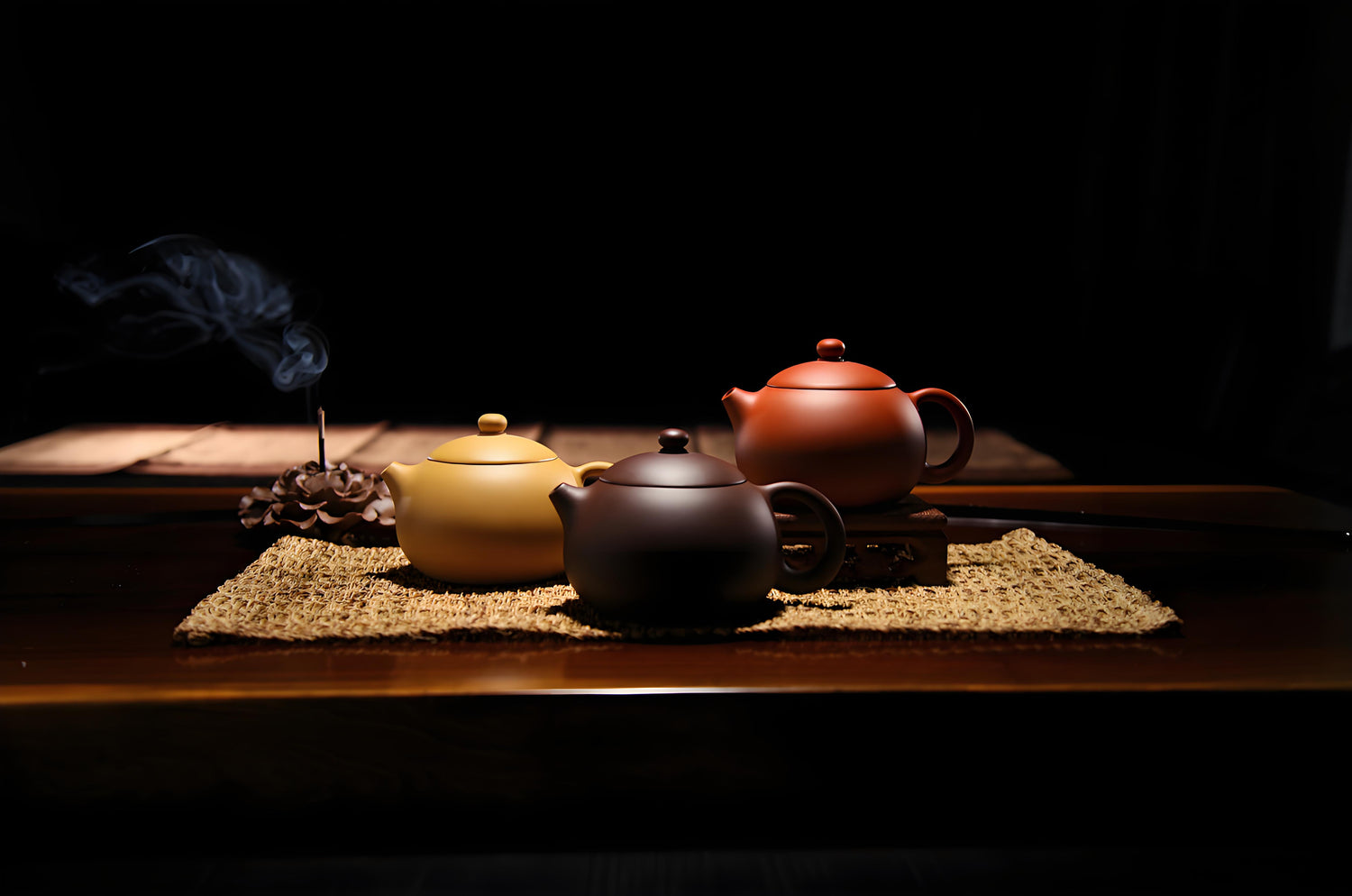
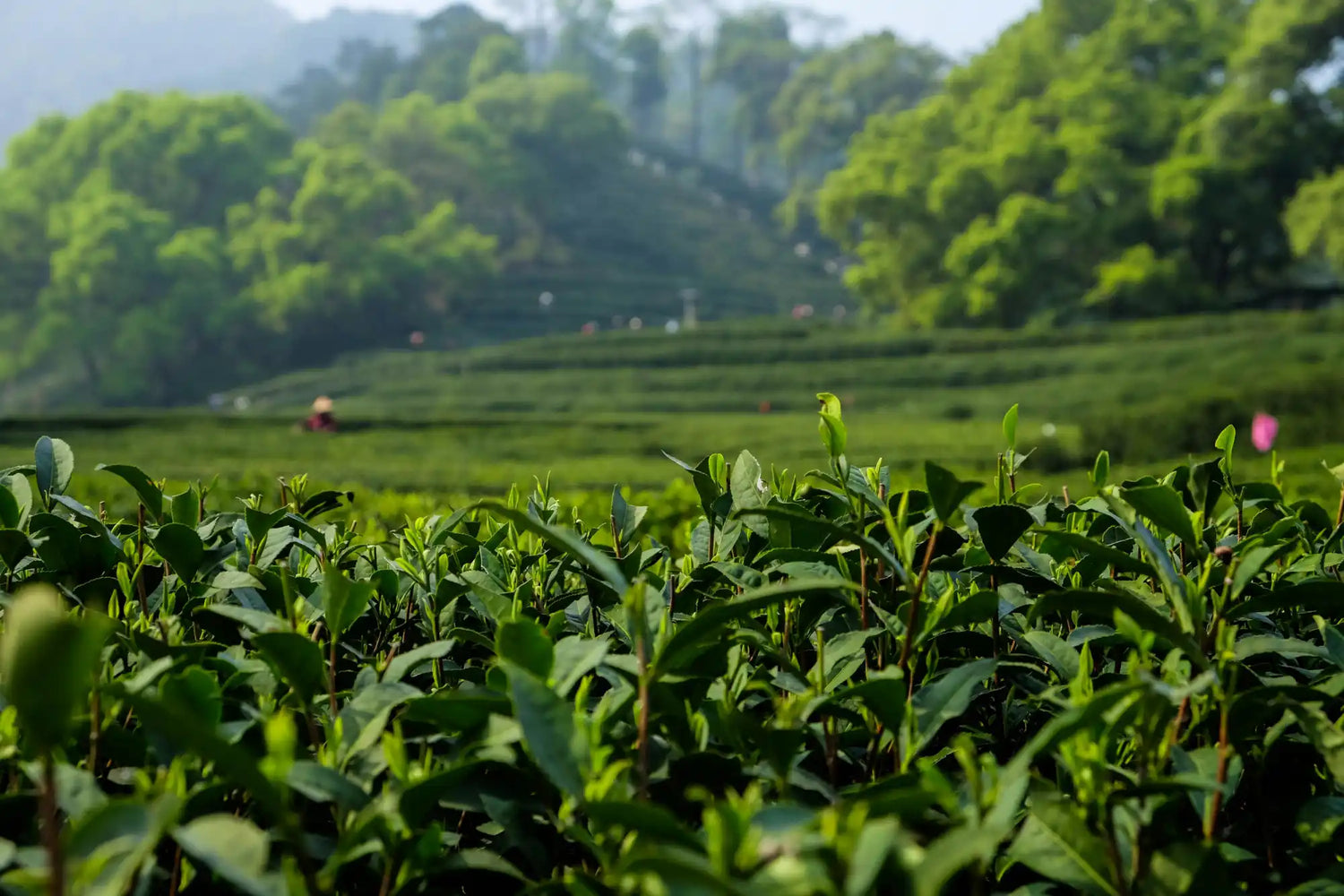
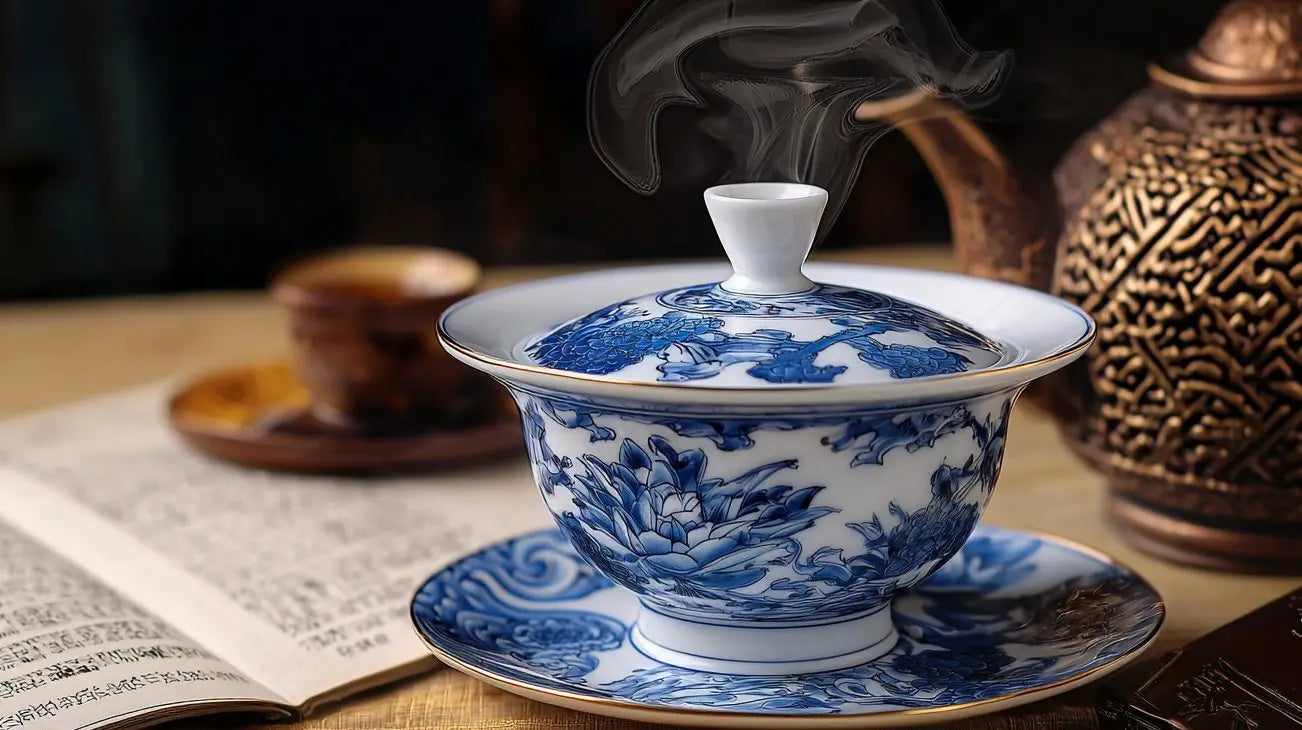
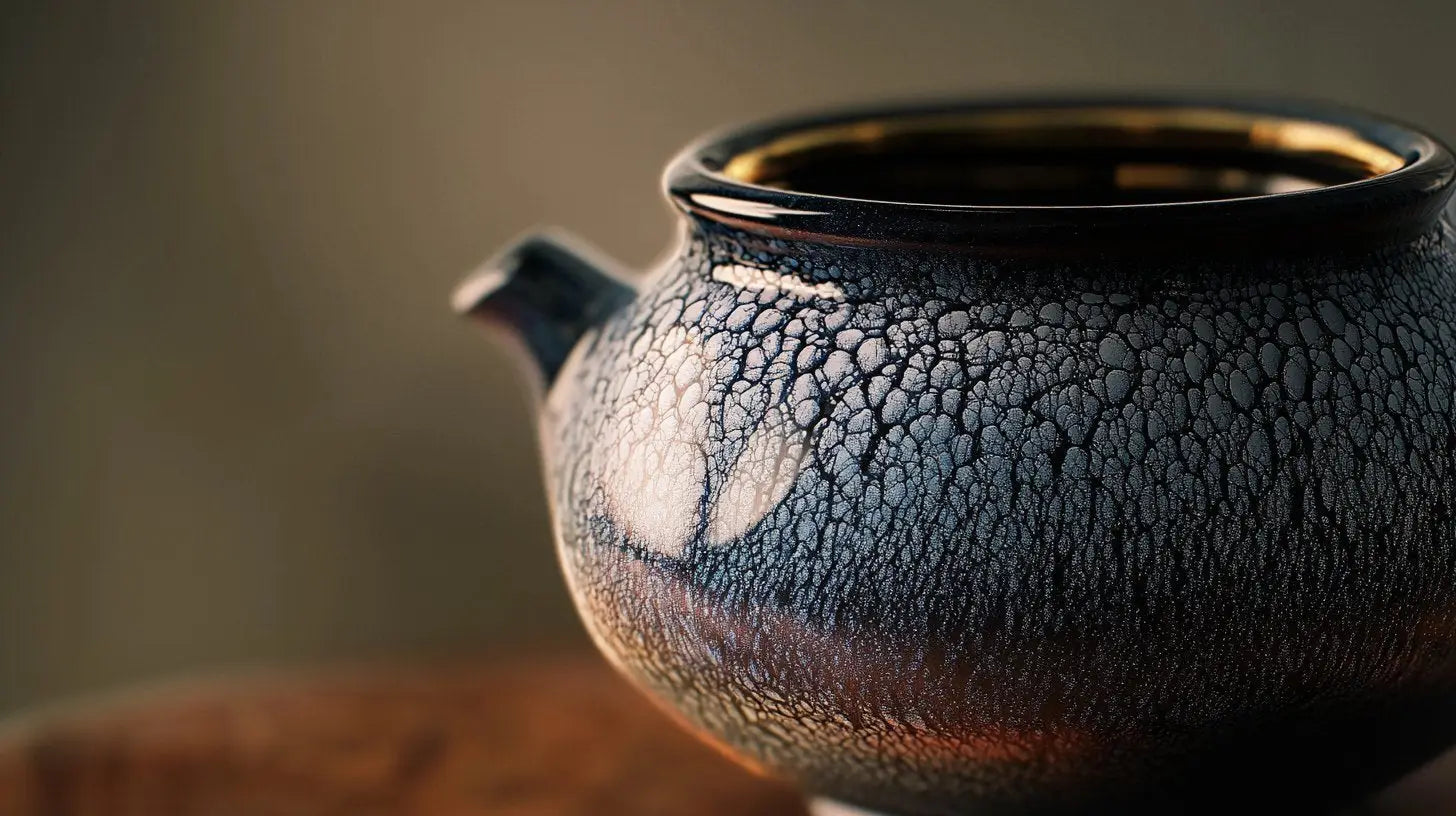
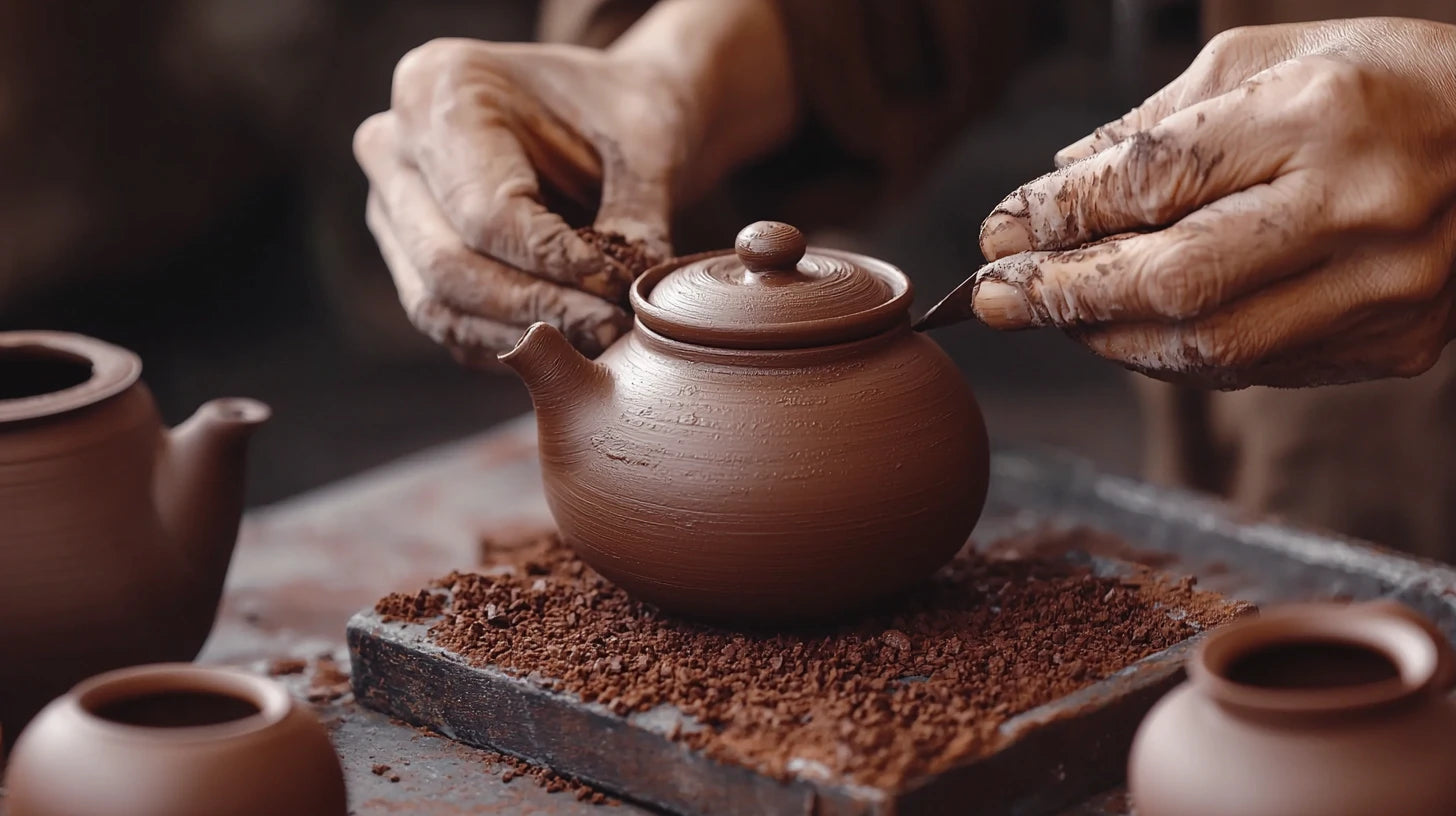
At Tealibere, we believe tea is more than a drink — it is a moment, a ritual, and a path to inner balance. Our journey began with a shared love for Chinese tea culture and a deep appreciation for the artistry behind every teacup, teapot, and tea pet.We travel across the renowned tea and ceramic regions of China — from Yixing to Jingdezhen, Dehua to Huangshan — sourcing the finest handcrafted wares and teas that honor centuries of tradition while embracing modern aesthetics.
Master makes tea leaves
Type: White Tea
Imperial Baihao Yinzhen – White Silver Needle Tea (2025)
Type: GreenTea
2025 First Harvest Biluochun Green Tea – Floral & Fruity Aroma,
Type: Black Tea
Tongmu Jin Jun Mei – 2025 Golden Eyebrow Black Tea
Type: GreenTea
Liu An Gua Pian – Roasted Elegance in a Leaf
Type: Oolong Tea
Premium Jasmine Magnolia Dancong – Compressed Zhangping Shuixian
Type: GreenTea
Taiping Houkui 2025 First Spring Tea – Orchid Aroma, Freshly Pressed Elegance
Type: GreenTea
Old Tree Longjing – 2025 Early Spring Harvest
Type: Black Tea
Tanyang Black Tea – Rose Rouge
Type: Black Tea
Spring Beauty – Tanyang Gongfu Black Tea
Type: GreenTea
Jasmine Silver Needle – Fragrant & Delicate
Type: Oolong Tea
Authentic Anxi Tie Guan Yin Oolong Tea – Traditional Craft
Type: GreenTea
Yunnan Spring Green Tea – Orchid Aroma & Bright Liquor
Type: Black Tea
Tongmu Jin Jun Mei – 2025 Golden Eyebrow Black Tea
Type: Black Tea
Tanyang Black Tea – Rose Rouge
Type: Black Tea
Spring Beauty – Tanyang Gongfu Black Tea
Type: Tea Leaves
Mao Feng Black Tea Leave
Type: Tea Leaves
Floral Sou Chong Red Tea Leave
Type: Tea Leaves
Sou Chong Red Tea Leave
Type: Tea Leaves
Cinna Mon Rock Tea Leave
Type: Tea Leaves
Jin Jun Mei Red Tea Leave
Type: GreenTea
2025 First Harvest Biluochun Green Tea – Floral & Fruity Aroma,
Type: GreenTea
Liu An Gua Pian – Roasted Elegance in a Leaf
Type: GreenTea
Taiping Houkui 2025 First Spring Tea – Orchid Aroma, Freshly Pressed Elegance
Type: GreenTea
Old Tree Longjing – 2025 Early Spring Harvest
Type: GreenTea
Jasmine Silver Needle – Fragrant & Delicate
Type: GreenTea
Yunnan Spring Green Tea – Orchid Aroma & Bright Liquor
Type: Tea Leaves
Bi Luo Chun Green Tea Leave
Type: Tea Leaves
Gan lu Piao xue Jasmine Tea Leave
Type: Tea Leaves
Tie Guan Yin High Mountain Tea Leave
Type: Oolong Tea
Premium Jasmine Magnolia Dancong – Compressed Zhangping Shuixian
Type: Oolong Tea
Meizhan Jin Jun Mei Black Tea – 2024 Harvest
Type: Oolong Tea
Wuyi Rougui Rock Tea – Bold Aroma, Lasting Sweetness
Type: Oolong Tea
Authentic Anxi Tie Guan Yin Oolong Tea – Traditional Craft
Type: Oolong Tea
Duck Shit Aroma Dancong Oolong Tea
Type: Tea Leaves
Duck Shit Fragrant Dan Cong Oolong Tea Leave
Type: Pu'er Tea
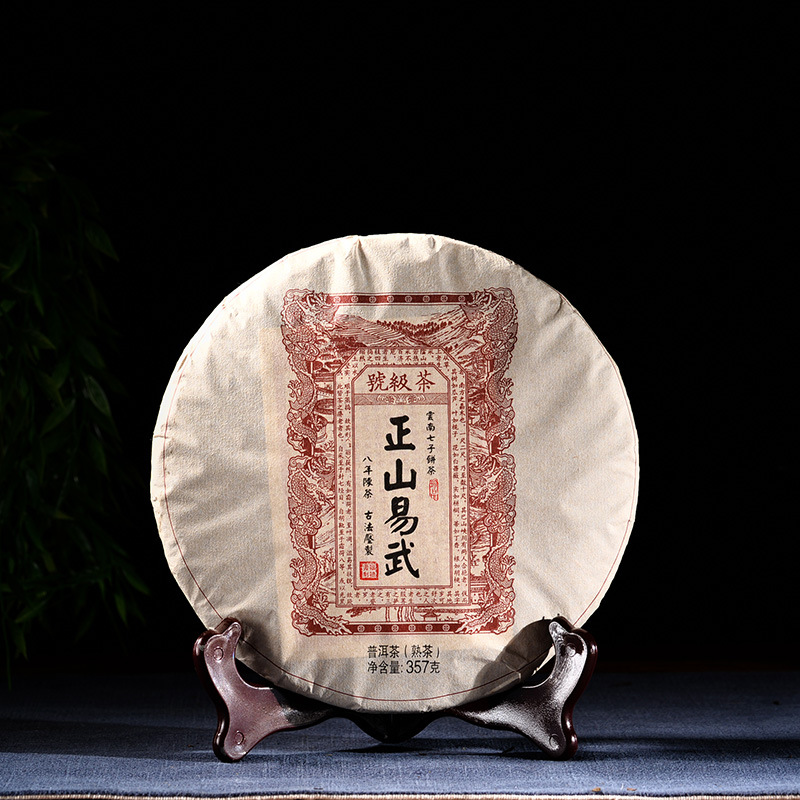
Bingdao Ancient Tree Organic Ripe Pu-erh (2017)
Type: Pu'er Tea
Yunnan Ancient Tree Raw Pu-erh (2013)
Type: Pu'er Tea
2017 Menghai Organic Ripe Pu-erh Cake
Type: Pu'er Tea
Bingdao Lao Zhai Raw Pu-erh (2024)
Type: Pu'er
Raw Pu-erh Tea from Ice Island Trees
Type: Tea Leaves
Dragon Ball Pu'er Tea Leave
Type: Tea Leaves
Cha Hua Shi Pu'er Tea Leave
Type: Tea Leaves
Xiao Qing Gan Pu'er Tea Leave
Type: Pu'er Tea
Mansong Spring 2020 Sheng Pu-erh Cake (357g)
Type: Pu'er Tea
Ban Zhang Gushu 2015 Sheng Pu-erh Cake (357g)
Type: White Tea
Imperial Baihao Yinzhen – White Silver Needle Tea (2025)
Type: White Tea
2020 Bai Mu Dan White Tea – Sweet Floral, Soft and Lasting
Type: White Tea
2014 Aged Shoumei – Dark Aroma Edition
Type: White Tea
2020 Aged Shoumei White Tea Cake – Mild & Honey-Smooth
Type: White Tea
2013 Aged Shoumei Brick Tea – Fuding White Tea Block
Type: Tea Leaves
Jasmine White Tea Leave
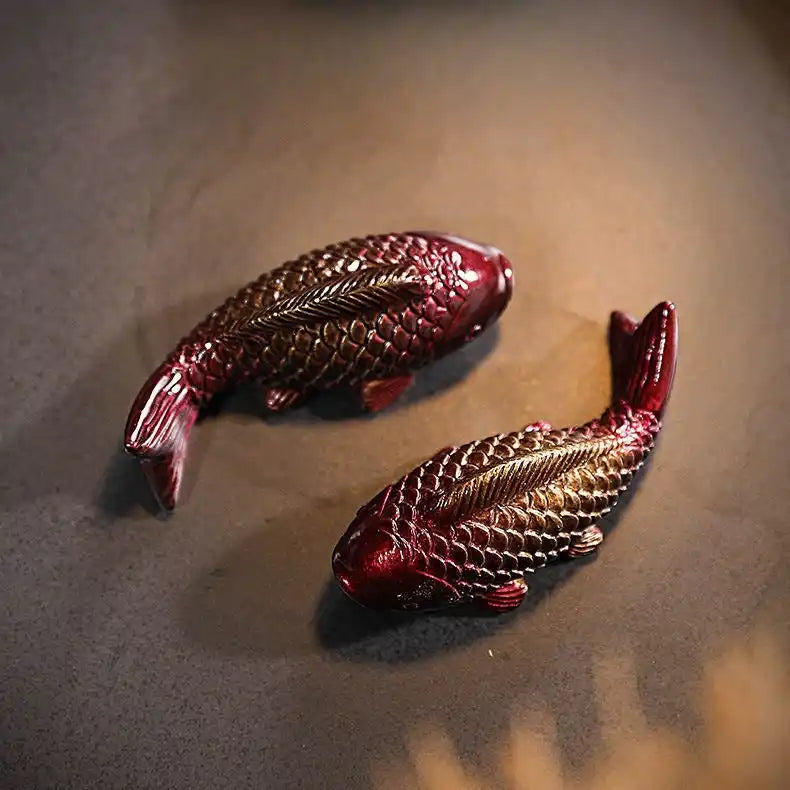
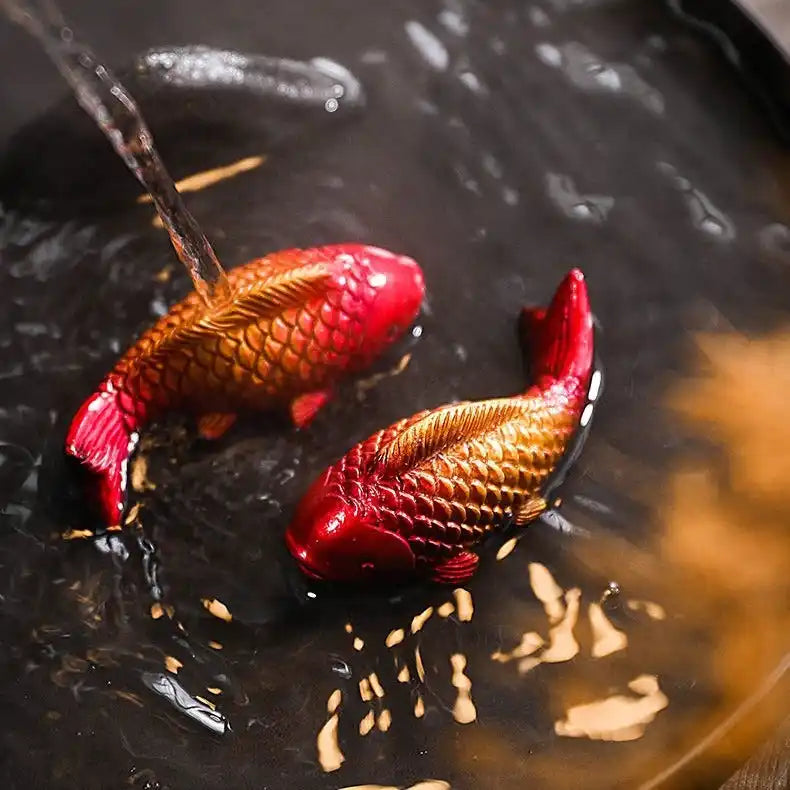
It's Fun, It's Feng Shui
Timeless craftsmanship passed down through generations.
Our picks for you
Type: Tea Set
Joyful Piglet Tea Set
Type: Tea Set
Whispers of Clay Tea Set
Type: Tea Set
Majestic Harmony Tea Set
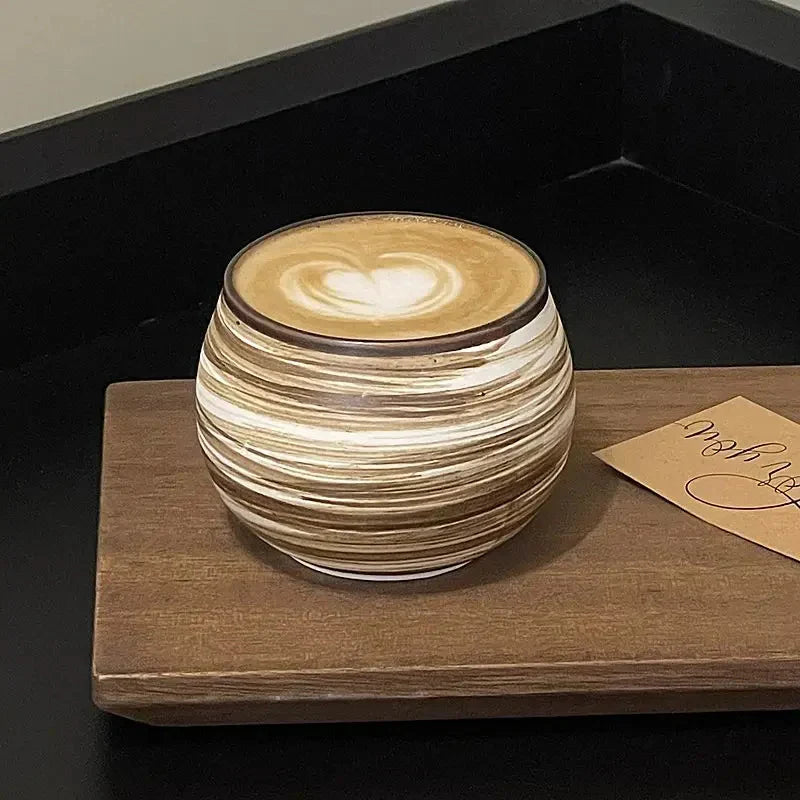
Type: Coffee Cup
Frosted Dawn Coffee Cup
Type: Coffee Cup
Whispering Earth Coffee Cup
Featured products tab
Explore Teaware
Jian Zhan vs Raku: Two Ancient Pottery Traditions Compared
Jian Zhan (建盏) and Raku (楽焼) are the world's two most celebrated kiln-fired tea bowl traditions. Both produce one-of-a-kind pieces through fire and chance — but their origins, techniques, aesthetics, and purposes are fundamentally different. Here's an honest comparison.
Learn moreIs a Handmade Tea Cup Worth It? The Real Value of Artisan Teaware
A handmade Jian Zhan tea cup costs €30–€200. A factory cup costs €3. Is the difference justified — or is it just marketing? Here's an honest breakdown of what you're actually paying for.

Learn moreGaiwan vs Teapot: Which Is Better for Your Tea?
Should you brew with a porcelain gaiwan or a Yixing clay teapot? The answer depends on what you're drinking, how you like to explore, and where you are in your tea journey. Here's the definitive comparison.
Learn more
Learn Tea Culture
Best Chinese Tea for Beginners: What to Try First
Not sure where to start with Chinese tea? Here are the most approachable, forgiving, and delicious teas for your first Gongfu session — and the ones to save for later.
Learn moreTypes of Chinese Tea: Complete Guide to the 6 Major Categories
All tea comes from one plant — Camellia sinensis. What creates six dramatically different categories is how the leaves are processed after picking. Here's everything you need to know about each type, how to brew them, and which ones to try first.
Learn moreUnderstanding Chinese Tea Regions: A Journey Through Famous Mountains
🏔️ Understanding Chinese Tea Regions: A Journey Through Famous Mountains Explore the legendary tea mountains where geography, climate, and culture create the world's finest teas 🌍 The Concept of Terroir in Chinese Tea Terroir - the unique combination of soil, climate, altitude, and human tradition - is nowhere more evident than in China's legendary tea regions. Each mountain range creates distinct microclimates that produce teas with unmistakable characteristics, making Chinese tea regions some of the most diverse and prized in the world. 🌿 What Makes Chinese Tea Regions Special: Altitude: High elevation creates cooler temperatures and slower leaf growth Mist and Clouds: Natural humidity protects leaves and enhances flavor Soil Composition: Mineral-rich soils from ancient geological formations Traditional Knowledge: Centuries of cultivation and processing expertise 🏔️ The Four Great Tea Mountains 🌋 Wuyi Mountains (武夷山) Province: Fujian Famous for: Rock Oolongs (Yan Cha) Signature Tea: Da Hong Pao Terroir: Danxia landform creates unique "rock bone flower fragrance" 🌸 Yellow Mountains (黄山) Province: Anhui Famous for: Green Teas Signature Tea: Huangshan Maofeng Terroir: Granite peaks and pine forests create delicate, sweet teas 🌿 West Lake (西湖) Province: Zhejiang Famous for: Premium Green Tea Signature Tea: Longjing (Dragon Well) Terroir: Lake microclimate and limestone soil create iconic flat-leaf tea 🌳 Mengding Mountain (蒙顶山) Province: Sichuan Famous for: Historical Tea Origin Signature Tea: Mengding Ganlu Terroir: Birthplace of tea cultivation with 2,000+ year history ☁️ Yunnan: The Ancient Tea Kingdom Yunnan Province stands apart as the birthplace of tea trees, home to ancient tea forests and the legendary Pu-erh tea. This southwestern region's unique geography creates some of the world's most complex and age-worthy teas. 🌦️ Yunnan's Unique Climate: Subtropical Highland: Warm days, cool nights Monsoon Influence: Distinct wet and dry seasons Ancient Forests: Wild tea trees over 1,000 years old Biodiversity: Rich ecosystem supports complex tea flavors 🗻 Famous Yunnan Tea Mountains: Menghai (勐海): Heart of Pu-erh production Yiwu (易武): Ancient tea trading center Bulang Mountain (布朗山): Home to oldest tea trees Nannuo Mountain (南糯山): Famous for ancient tree tea 🌊 Fujian: The Oolong Paradise Fujian Province, with its mountainous terrain and maritime climate, is the birthplace of oolong tea and home to some of China's most prized tea varieties. 🏔️ Wuyi Mountains: The Rock Tea Capital The Wuyi Mountains' unique Danxia landform creates the perfect environment for Yan Cha (rock tea). The mineral-rich soil and rocky terrain impart the distinctive "rock bone flower fragrance" that makes these teas legendary. 🪨 Wuyi Rock Tea Characteristics: Mineral Complexity: Rocky soil creates unique mineral notes Roasting Tradition: Charcoal roasting adds depth and longevity Biodiversity: Protected UNESCO site maintains natural ecosystem Microclimate Variation: Each cliff face creates different tea personalities 🌺 Anxi County: Iron Goddess Territory Anxi County produces the world-famous Tie Guan Yin (Iron Goddess of Mercy), an oolong tea renowned for its floral fragrance and complex flavor evolution. 🍃 Zhejiang: The Green Tea Heartland Zhejiang Province, particularly the West Lake region around Hangzhou, represents the pinnacle of Chinese green tea production. 🏞️ West Lake Longjing: A UNESCO Heritage The West Lake Longjing tea region benefits from a unique microclimate created by the lake's moderating influence, surrounding hills, and specific soil composition. 🌊 West Lake Microclimate Benefits: Temperature Moderation: Lake prevents extreme temperature swings Humidity Control: Natural moisture regulation Soil Quality: Alluvial deposits create nutrient-rich growing medium Cultural Heritage: 1,000+ years of refined cultivation techniques 🌸 Anhui: The Mountain Tea Province Anhui Province's mountainous terrain and temperate climate create ideal conditions for both green and black teas. ⛰️ Huangshan (Yellow Mountains) The Yellow Mountains' granite peaks, pine forests, and frequent cloud cover create the perfect environment for Huangshan Maofeng, one of China's top ten famous teas. 🌿 Qimen County: Black Tea Excellence Qimen County produces the world-renowned Keemun black tea, prized for its wine-like aroma and smooth, malty flavor. 🌡️ Climate and Seasonal Influence Chinese tea regions experience distinct seasonal patterns that dramatically influence tea quality and character: 🗓️ Seasonal Tea Characteristics: Spring (March-May): Most prized harvest, tender leaves, concentrated flavors Summer (June-August): Faster growth, stronger flavors, less delicate Autumn (September-November): Balanced flavors, good for oolongs Winter (December-February): Dormant period, no harvest in most regions 🏛️ Cultural and Historical Significance Each tea region carries deep cultural significance, with local traditions, festivals, and processing methods passed down through generations. 📜 Tea Culture Traditions: Harvest Festivals: Celebrating first spring pickings Processing Rituals: Traditional methods preserved as cultural heritage Tea Master Lineages: Knowledge passed through family generations Regional Ceremonies: Unique tea preparation and serving customs 🌿 Modern Challenges and Conservation Today's tea regions face challenges from climate change, urbanization, and changing agricultural practices. Conservation efforts focus on: Protecting Ancient Trees: Preserving genetic diversity Sustainable Farming: Organic and ecological practices Cultural Preservation: Maintaining traditional knowledge Quality Standards: Geographic origin protection 🎯 Understanding Tea Region Labels When purchasing Chinese tea, understanding regional designations helps ensure authenticity and quality: 🏷️ Key Label Information: Specific Mountain/Village: More precise than general province Harvest Season: Spring teas command premium prices Altitude: Higher elevation often indicates better quality Processing Method: Traditional vs. modern techniques 🛒 Explore Authentic Regional Teas Ready to taste the unique terroir of China's famous tea regions? Our collection features authentic teas from these legendary mountains. 🏔️ Regional Tea Collection Discover our Premium Chinese Tea Collection featuring authentic teas from famous mountains and regions. 🍃 Specific Regional Favorites Try our Wuyi Rock Oolongs, West Lake Longjing, and authentic Yunnan Pu-erh teas. 🌟 Conclusion: A Taste of Geography Understanding Chinese tea regions transforms tea drinking from simple consumption to cultural exploration. Each cup carries the essence of its mountain home - the mist, soil, altitude, and centuries of human dedication that create these liquid masterpieces. Whether you're sipping a delicate Longjing from West Lake's shores or a robust rock oolong from Wuyi's cliffs, you're experiencing the unique terroir that makes Chinese tea regions the most diverse and fascinating in the world. Next time you brew Chinese tea, remember: you're not just making a beverage - you're connecting with ancient mountains, traditional wisdom, and the natural forces that create tea's infinite variety.
Learn more